
I didn’t plan to start living sustainably. It slowly became part of how I do things. It happened gradually. First it was switching light bulbs because my electricity bill annoyed me. Then it was realizing how much food I was throwing away. Then noticing how often I bought things I didn’t actually need. None of it started from activism. It started from frustration.
And I think that’s more common than people admit. In 2026, sustainability isn’t some niche lifestyle anymore. It’s just… practical. Energy costs more. Waste is obvious. Weather patterns feel strange. People are paying attention.
But here’s the problem — the internet makes eco-friendly living look extreme.
Zero-waste kitchens.
Perfectly organized glass jars.
All-beige minimalist closets.
Yeah… that’s not how most of us actually live.
Most of us are just trying to make it through the week — keep the bills reasonable, use up what’s in the fridge, and not feel bad about the random plastic containers in the cupboard.
Sustainability doesn’t need to look like a Pinterest board. It doesn’t need matching jars or a perfectly curated kitchen.
It just needs to work in real life.
What “Eco-Friendly” Actually Means
Honestly? The word “eco-friendly” gets used so much now that it barely means anything unless you look a little closer.
Every product now claims to be “green.” Even things wrapped in plastic somehow have leaves printed on them.
To me, eco-friendly simply means:
Does this create less long-term harm compared to the alternative?
Not zero harm.
Less harm.
That difference matters.
Because nothing we buy is impact-free. Manufacturing uses energy. Shipping burns fuel. Packaging exists.
The real question is whether the product reduces waste, lasts longer, or avoids unnecessary resource use.
A cheap “eco” item that breaks in three months isn’t sustainable. It’s just repackaged consumption.
Why Sustainability Feels More Urgent Now
A few years ago, environmental conversations felt distant.
Now they don’t.
Food prices fluctuate. Summers feel hotter. Floods and droughts are regular news. Whether directly or indirectly, most of us are feeling some ripple effect.
I’m not saying one reusable bag fixes global systems.
But I am saying markets respond to behavior.
Plant-based options exploded because demand increased. Renewable energy expanded because investment followed consumer pressure.
Change doesn’t begin with perfect individuals. It begins with shifting patterns.
Where Sustainable Living Actually Happens
Not online.
At home.
In boring, everyday decisions.
Energy Use
Switching to LED bulbs wasn’t about saving the planet for me. It was about lowering bills. They last longer. They waste less electricity.
That’s the thing about many sustainable choices — they overlap with common sense.
Insulation is another example. It’s not exciting. No one posts about attic insulation. But reducing heating and cooling loss probably does more for emissions than buying a trendy bamboo utensil set. Sometimes the most impactful actions are the least aesthetic ones.
Water
A leaking tap seems minor until you think about it running for months. Low-flow showerheads, fixing leaks, being slightly more aware of usage — none of these feel dramatic. But collectively they reduce unnecessary waste. Sustainability isn’t always about adding something new. Often it’s about paying attention.
The Single-Use Habit
Here’s something I realized: convenience is addictive.
Disposable cutlery.
Paper towels.
Plastic wrap.
They make life easier in the moment. But they normalize waste.
Instead of throwing everything away and replacing it all at once (which ironically creates more waste), I started replacing items only when they ran out.
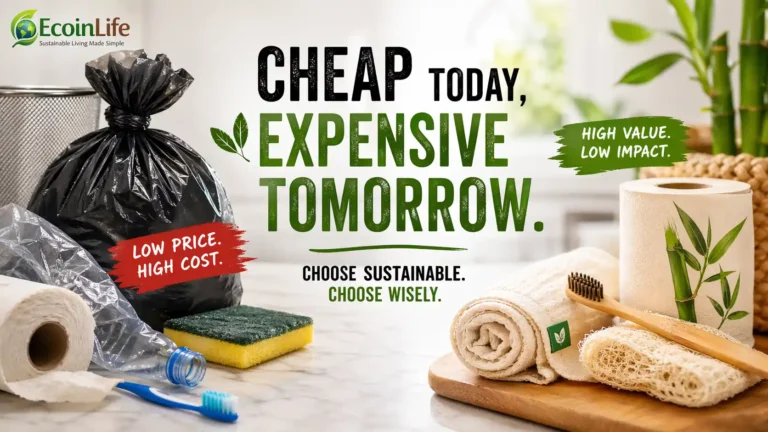
Finished a roll of paper towels? Try reusable cloths.
Ran out of plastic wrap? Switch to containers.
Gradual change feels sustainable in both senses of the word.
Food: The Area Most People Underestimate
Food systems carry a massive environmental load.
Reducing meat even a few days per week lowers environmental strain more than people think.
Meal planning also changed things for me.
Before planning, I’d buy vegetables with good intentions… then throw them away a week later.
Waste isn’t just what we throw in the trash. It’s the energy and water used to produce what we never consumed.
Growing herbs at home sounds small, but it shifts perspective. When you watch something grow, you respect food differently.
Clothing and the Overbuying Problem
Fast fashion thrives on speed.
New trends weekly. Cheap prices. Easy replacements.
The issue isn’t clothing — it’s volume.
I used to buy items because they were affordable, not because I needed them. Half of them barely got worn.
Buying fewer pieces, choosing better materials, and occasionally shopping second-hand changed that pattern.
Also — washing clothes less often helps more than most people realize. Modern habits tend to overwash.
Air drying saves energy and extends garment life. It’s slower, yes. But slower isn’t always bad.
Transportation (Let’s Be Realistic)
Not everyone can bike to work.
Not everyone has reliable public transport.
Sustainability advice sometimes ignores real-world constraints.
But small adjustments still matter:
Combining errands.
Walking short distances.
Carpooling occasionally.
If you’re replacing a car anyway, then efficiency becomes relevant.
It’s not about sudden radical change. It’s about incremental improvement.
The Shopping Mindset Shift
The biggest sustainability upgrade I made wasn’t buying new eco-products.
It was pausing before purchasing anything.
“Do I actually need this?”
That question alone cuts consumption dramatically.
Impulse purchases often become clutter, then waste.
Intentional buying reduces environmental impact without feeling restrictive.
Minimalism isn’t about owning less for aesthetic reasons. It’s about removing unnecessary decisions.
The Money Side (Because It Matters)
There’s a perception that sustainable living is expensive.
Sometimes upfront costs are higher — yes.
But I’ve personally saved money by:
- Reducing energy use
- Planning meals
- Buying fewer clothes
- Avoiding impulse buys
Sustainability and financial discipline overlap more than people think.
Waste less. Spend less.
It’s not ideological. It’s practical.
It’s better to adjust one category at a time:
Waste first.
Then energy.
Then food.
Then purchasing habits.
Layered change feels manageable.
And manageable change sticks.
The Bigger Picture
Individual choices won’t solve systemic environmental challenges alone.
But they do influence markets.
Companies track buying behavior obsessively. When preferences shift, supply chains adjust.
Every purchase is data.
And data drives business decisions. It’s economic reality.
Final Thoughts
Eco-friendly living isn’t about perfection.
It’s about awareness plus gradual improvement.
You don’t need a zero-waste kitchen.
You don’t need a capsule wardrobe.
You don’t need to be extreme.
You just need to consume slightly more consciously than before.
That’s it.
Not dramatic.
Not aesthetic.
Not performative.
Just intentional.
And honestly — that’s sustainable.